I built a system to find
the matches the system
keeps missing.
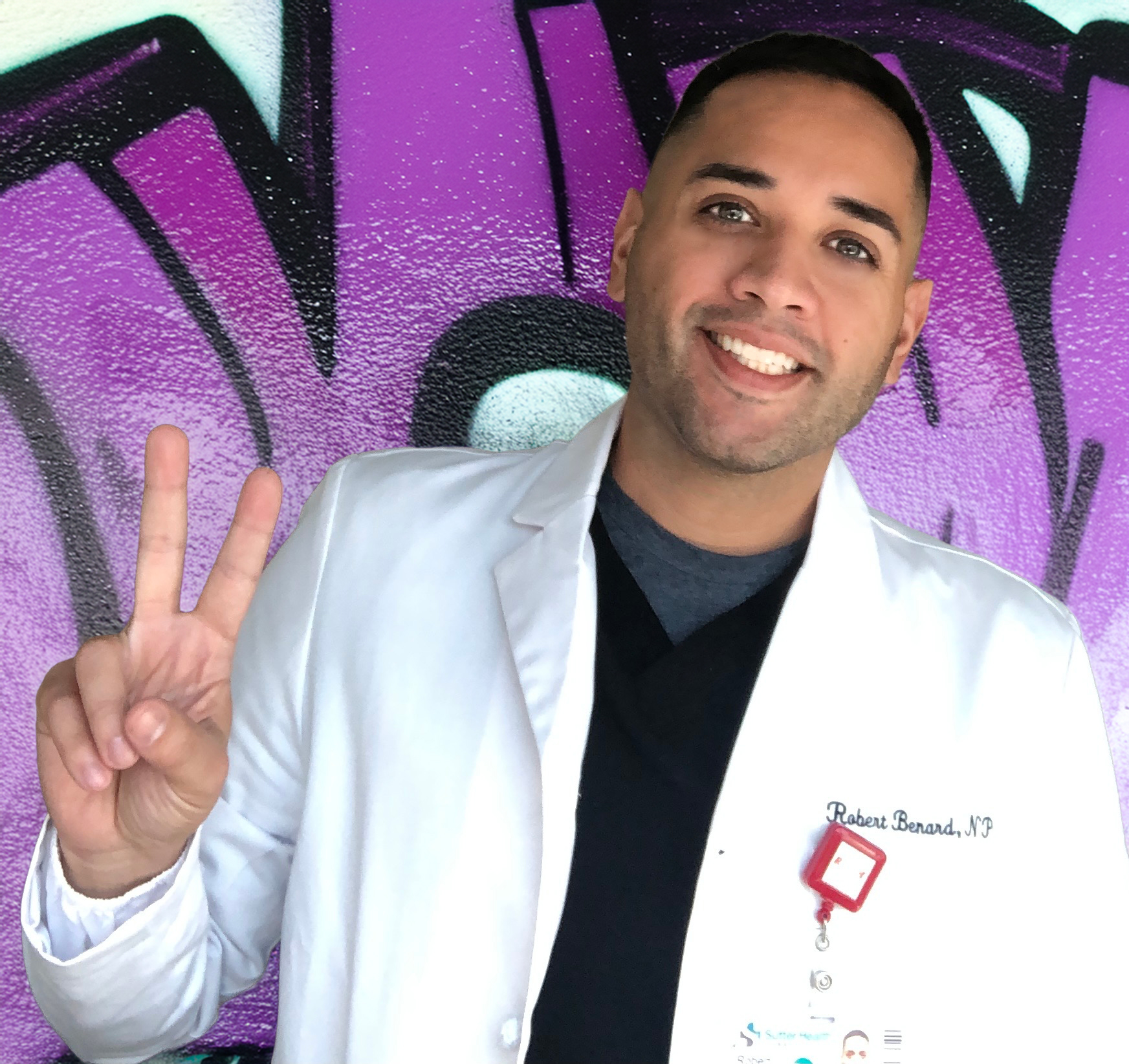
I'm a board-certified Acute Care and Psychiatric Nurse Practitioner with clinical experience in trauma/ICU, psychiatry, and addiction medicine. In the ICU, I took care of patients who couldn't tell us who they were. People who had overdosed and sustained severe anoxic brain injuries, gunshot and assault victims brought in without ID, people who stayed John and Jane Does on our unit for weeks, sometimes months. Some of them never got identified.
In addiction medicine, we meet people where they are. In trauma, we stabilize people who arrive as the result of violence they didn't ask for. Many of the patients I've treated across both settings are navigating unstable housing, fractured relationships, or dangerous circumstances. When someone in that situation disappears or dies — whether from an overdose, an assault, or something nobody ever reports — the gap between who they were and what ends up in a database can be enormous.
There are over 13,000 unidentified remains and 600,000 active missing persons cases in the United States. These records sit in fragmented databases managed by different agencies that rarely talk to each other. Matches that seem obvious in hindsight get missed because no one ever compared them.
RECALL is a cross-database forensic matching system I built to change that. It runs algorithmic comparisons across NamUs, the Charley Project, Doe Network, and Wikipedia missing persons records, surfacing potential matches that human reviewers can validate and submit to medical examiner offices for DNA verification.
This isn't theoretical. Leads have already been submitted to and accepted by ME offices, and DNA testing through CODIS has been conducted on cases surfaced by this system.